What is CoolSculpting
How fat freezing works, what it can realistically do, and what to know before booking a session
If you have a pocket of fat that does not budge despite eating well and exercising consistently, you have probably come across CoolSculpting. It is one of the most searched body-contouring treatments in the UAE - and one of the most misunderstood. This guide explains exactly how it works, what it can and cannot do, what a session actually feels like, and the side effects worth knowing about before you decide.
How fat freezing works
CoolSculpting is a brand name for cryolipolysis - a non-surgical procedure that uses controlled cooling to destroy fat cells. The science behind it starts with a simple observation: fat cells are more sensitive to cold temperatures than the skin and other tissues around them.1
During a session, an applicator is placed on the target area. It draws the tissue between two cooling panels and lowers the temperature to a point that triggers fat-cell death - a process called apoptosis - without damaging the overlying skin.1 Over the weeks that follow, your immune system gradually clears the dead fat cells away. The fat pocket shrinks as those cells are removed and do not come back.2
- The applicator suctions the target tissue and cools it to the treatment temperature (typically around -11°C).
- Cold exposure triggers apoptosis in fat cells - they begin to break down from the inside.
- Your lymphatic system clears the damaged cells over roughly 4-12 weeks.
- The treated area gradually reduces in volume as clearing continues.
What CoolSculpting treats - and what it does not
CoolSculpting is a body-contouring tool, not a weight-loss treatment. The distinction matters. It is designed for isolated pockets of fat in people who are already close to their target weight - not for reducing overall body fat or treating obesity.2
| Good candidate area | Less suitable for |
|---|---|
| Lower abdomen bulge | Large volumes of fat across the torso |
| Flanks (love handles) | Overall weight reduction |
| Inner thighs | Fat overlying muscle with little subcutaneous layer |
| Upper arms | Loose or significantly lax skin |
| Under the chin (submental fat) | Visceral fat (the deep fat around organs) |
| Bra-line area | Obesity or BMI substantially above normal range |
Clinical studies show a reduction of roughly 20-25% of fat in the treated area per session.2 That is meaningful for a stubborn pocket - but it is not a transformation of your overall body composition. If understanding what body fat actually is helps you set expectations here, that article is worth reading first.
Who it suits - and who it does not
A good candidate is someone who:
- Has one or more localised fat pockets that persist despite a stable, healthy weight.
- Has pinchable subcutaneous fat in the target area - the applicator needs tissue it can draw in.
- Has realistic expectations: contouring, not dramatic weight loss.
- Is not pregnant or breastfeeding.
CoolSculpting is not recommended if you have:
- Cryoglobulinaemia, cold agglutinin disease, or paroxysmal cold haemoglobinuria - conditions where cold exposure can be dangerous.3
- Raynaud's phenomenon or other cold-sensitivity disorders.
- Severe skin conditions, open wounds, or active dermatitis in the target area.
- A hernia or surgical hardware beneath the target site.
What a session feels like
Knowing what to expect in the room makes the experience much less daunting.
- Consultation: A practitioner assesses the target area, confirms suitability, and marks the treatment zone. This is also the moment to ask every question you have.
- Gel pad placement: A protective gel pad is placed on the skin before the applicator to prevent frostbite.
- Applicator attachment: The device suctions the tissue. You will feel firm pulling pressure, then intense cold over the first five to ten minutes.
- Treatment phase: Most sessions run 35-60 minutes per area. The cold numbs the area, so many people read, work on a laptop, or rest during this phase.
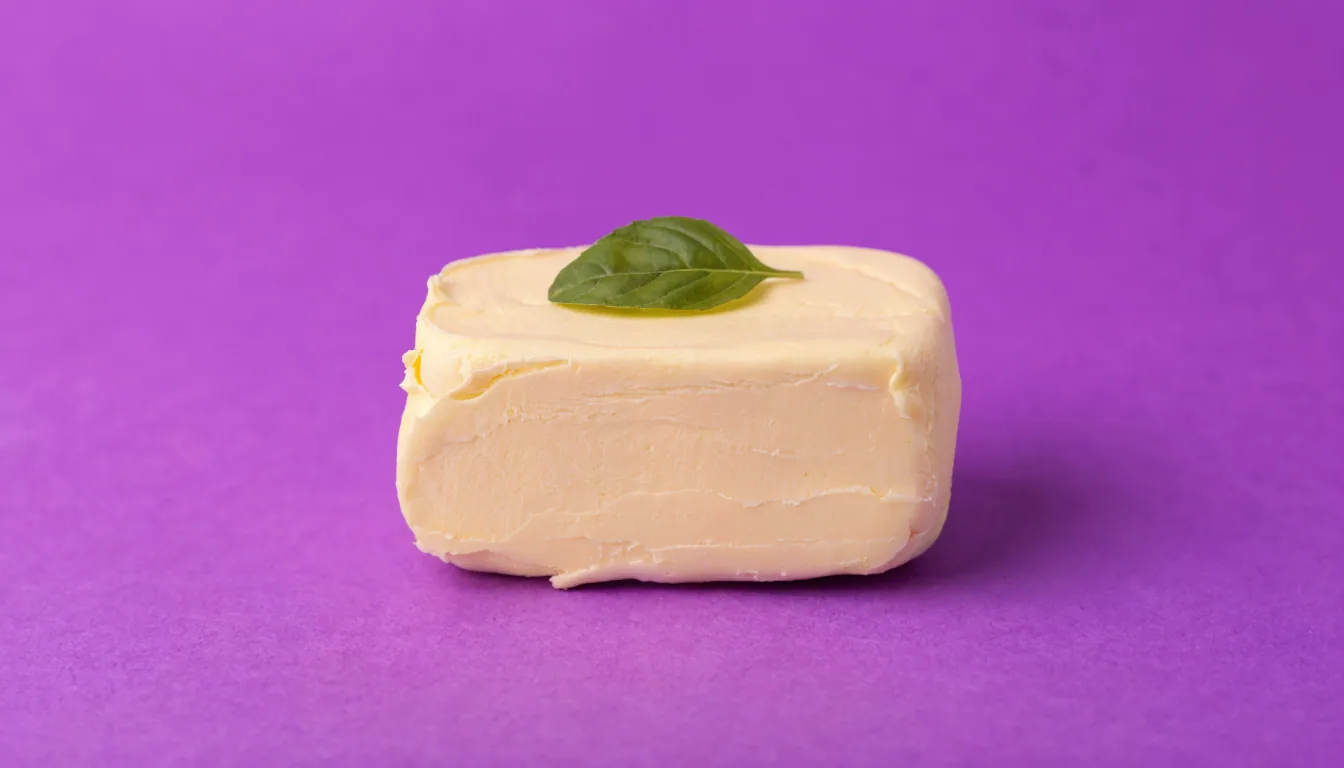
- Massage: Immediately after removal, the treated area is firm and may look temporary like a 'butter stick.' The practitioner massages it for two minutes - this step has been shown to improve results.2
- Aftercare: No downtime. Most people return to normal activity the same day.
What to expect afterwards
Timeline: Results are not immediate. The biological clearing process takes time. Most people begin to notice a change at around 4-6 weeks, with full results visible at 2-3 months after treatment.2 Some opt for a second session on the same area after that point.
Common side effects in the treated area include:3
- Redness, swelling, and bruising - typically resolving within a few days.
- Temporary numbness or reduced sensation, which can persist for several weeks.
- Tingling, stinging, or aching as sensation returns - this can be uncomfortable in the first week.
- Skin sensitivity to touch.
The risk worth knowing: paradoxical adipose hyperplasia
There is one rare but significant side effect that deserves clear attention: paradoxical adipose hyperplasia (PAH). Instead of shrinking, the treated fat tissue grows larger and becomes firmer - the opposite of the intended effect.3
PAH is uncommon - estimates suggest it occurs in roughly 1 in 4,000 treatment cycles3 - but it is not reversible with further CoolSculpting. Surgical liposuction is typically required to address it. The reason it happens is not fully understood. What is known is that it appears more frequently in male patients and when treating the abdomen.3
What it costs in the UAE
Pricing in Dubai varies considerably. A single applicator cycle typically falls in the range of AED 800 to AED 2,500, with the total cost depending on how many areas you are treating and how many cycles are needed. Multi-area or package pricing is common.
What drives the range:
- Number of applicators used per session - treating both flanks at once costs more than one area.
- Applicator type - different sizes and shapes suit different body areas and may be priced differently.
- Practitioner credentials - a DHA-licensed physician or specialist overseeing treatment versus a technician operating independently.
- Clinic overhead - location, equipment servicing costs, and consultation depth all factor in.
- Package bundling - clinics often discount when you commit to multiple sessions upfront.
Questions to ask in your consultation
Before you book
- Is this practitioner DHA-licensed, and what is their specific training in body-contouring procedures?
- Which applicator will be used on my target area, and why is it the right choice for my anatomy?
- How many cycles do you recommend for my area, and what does the evidence base for that recommendation look like?
- What results are realistic for someone with my starting point - can you show me a range, not just best-case images?
- What is your protocol if I develop paradoxical adipose hyperplasia?
- Is the quoted price all-inclusive, and what does follow-up look like?
- What contraindications will you screen me for before treatment?
How to read marketing claims
A few patterns appear frequently in CoolSculpting marketing that are worth approaching with healthy skepticism.
- 'Permanent fat removal' - technically accurate in the sense that destroyed fat cells do not regenerate, but remaining fat cells can still enlarge if you gain weight. The reduction is not immune to lifestyle changes.
- 'No downtime' - also broadly accurate, but downtime and discomfort are not the same thing. The week following treatment can involve real achiness and sensitivity.
- Before-and-after photos - these represent individual results, often taken under optimal conditions. Ask about the average result in their patient population, not the most impressive case.
- 'Clinically proven' without a citation - ask which studies and what the effect sizes were. 20-25% reduction in a localised area is the peer-reviewed figure2 - results above that in marketing deserve scrutiny.
- Dramatic transformation imagery - if the 'after' photo looks like a different body type, the difference is unlikely to be CoolSculpting alone.
Frequently asked
- Is CoolSculpting the same as fat freezing?
- Yes. 'Fat freezing' is the colloquial name for cryolipolysis, and CoolSculpting is the most widely known brand that delivers it. Other devices use the same principle. CoolSculpting is the brand; cryolipolysis is the underlying technology.
- How many sessions do you need?
- Many people achieve their goal with one session per area. Some choose a second session 2-3 months later - after full results from the first have appeared - if they want further reduction. There is no universal answer; it depends on the size of the pocket and what outcome you are targeting.
- Does CoolSculpting work for weight loss?
- No. It is designed for localised contouring, not weight reduction. The number of fat cells removed per session is too small to move the scale meaningfully. If your goal is weight loss, this is not the right tool.
- Is it safe for darker skin tones?
- Yes. Because cryolipolysis targets fat cells rather than pigment or melanin, Fitzpatrick skin tone does not affect safety or outcomes. The same side-effect profile applies regardless of skin tone.
- How long do CoolSculpting results last?
- The fat cells destroyed during treatment do not regenerate. In that sense, the reduction in those cells is lasting. However, if you gain weight significantly afterwards, remaining fat cells in the treated and surrounding areas can still enlarge. Results are best maintained alongside a stable weight.
- Is CoolSculpting available and regulated in the UAE?
- Yes. Body-contouring procedures including cryolipolysis are offered at clinics across Dubai and the UAE. Practitioners performing these treatments should hold a DHA licence (in Dubai) or the equivalent from MOHAP or Emirates Health Services in other emirates. You can ask to see a practitioner's licence before treatment.
What we cited
guideline · American Academy of Dermatology
Cryolipolysis for noninvasive body contouring
review · Lasers in Surgery and Medicine
Cryolipolysis: a review of mechanisms and expected outcomes
study · JAAD (Journal of the American Academy of Dermatology)
Paradoxical adipose hyperplasia after cryolipolysis
Ready to find your clinic for coolsculpting (cryolipolysis)?
Our independent directory launches soon. Be first to compare verified providers, prices, and practitioners - then book in a click.